Community Cat Management & Feeding Rules
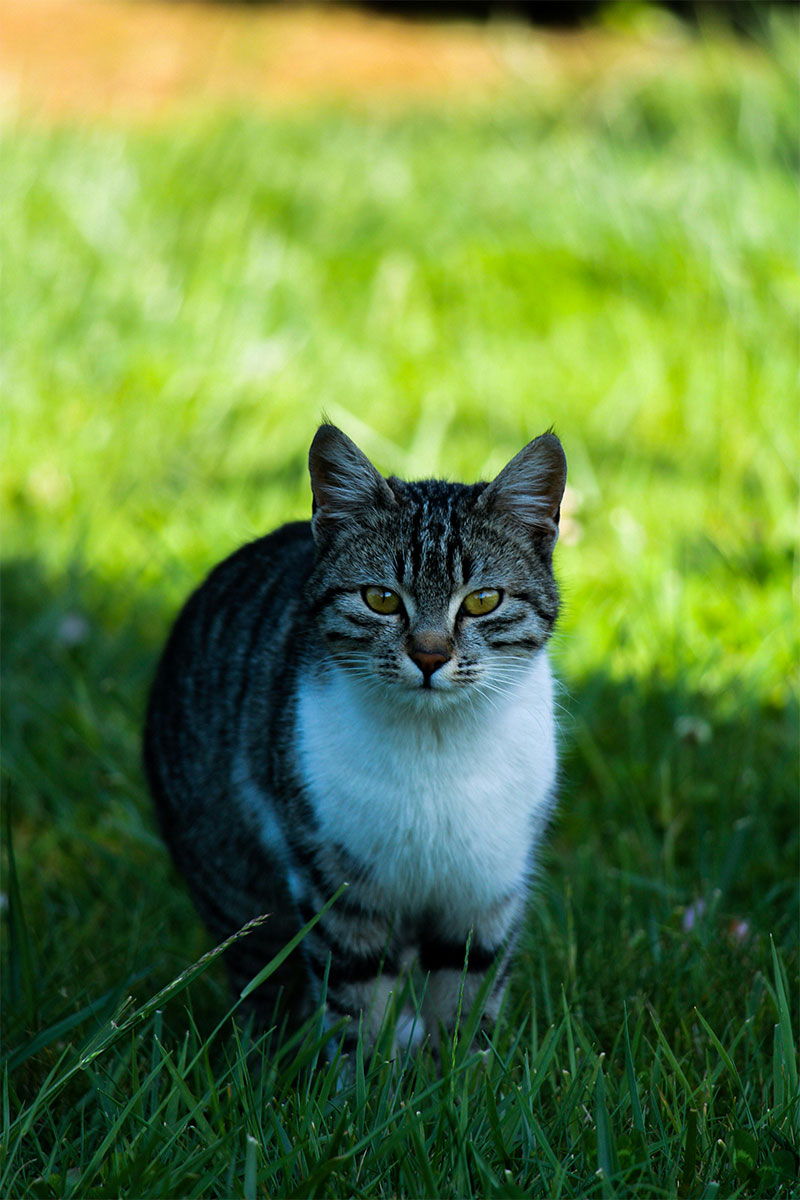
The City of Jacksonville allows managed community cat programs under specific conditions.
Requirements for Managed Community Cats
Community cats must:
- Be maintained on private property owned by the caregiver or with the express permission of the property owner
- Be spayed or neutered, vaccinated for rabies, and ear-tipped
- Receive regular care, including:
- Food
- Clean water
- Reasonable shelter from the elements
Legal Definition (City of Jacksonville Ordinance):
Under Jacksonville Municipal Code, Chapter 462, a “Community Cat” is officially defined as:
- A free-roaming cat that may be feral or socialized
- Has no identifiable individual owner, but may be cared for by one or more residents
- Is sterilized and ear-tipped, which identifies it as part of a managed community cat population
When these conditions are met, community cats are exempt from licensing, stray, and at-large animal provisions that apply to owned cats.
Outdoor Feeding Restrictions
- Feeding cats outdoors is only permitted on private property you own or where you have permission
- Feeding on public property (parks, rights-of-way, sidewalks, vacant city lots) without authorization is prohibited
- Improper feeding can result in code enforcement action or fines
Spay/Neuter & TNR (City-Supported Programs)
While Trap-Neuter-Return (TNR/TNVR) is not mandated by law, the City of Jacksonville supports it as the preferred method of managing community cats.
City-Supported Services
- Animal Care & Protective Services (ACPS) partners with local organizations to provide:
- Low-cost or no-cost spay/neuter services for community cats in Duval County
- Rabies vaccination as part of sterilization services
Sterilized and ear-tipped cats are recognized by the City as managed community cats and should not be impounded solely for roaming.