Wellness Newsletter
7 Ways to Boost Your Energy-Gallagher_Live Well Monthly Newsletter
Low energy can steal your motivation to choose healthy foods, be physically active, and show up for those you love. Small, intentional changes to your daily habits can have a big impact on your energy levels. Whether improving your sleep, balancing your eating habits, or managing stress, there are practical strategies you can implement to recharge and feel more energized.
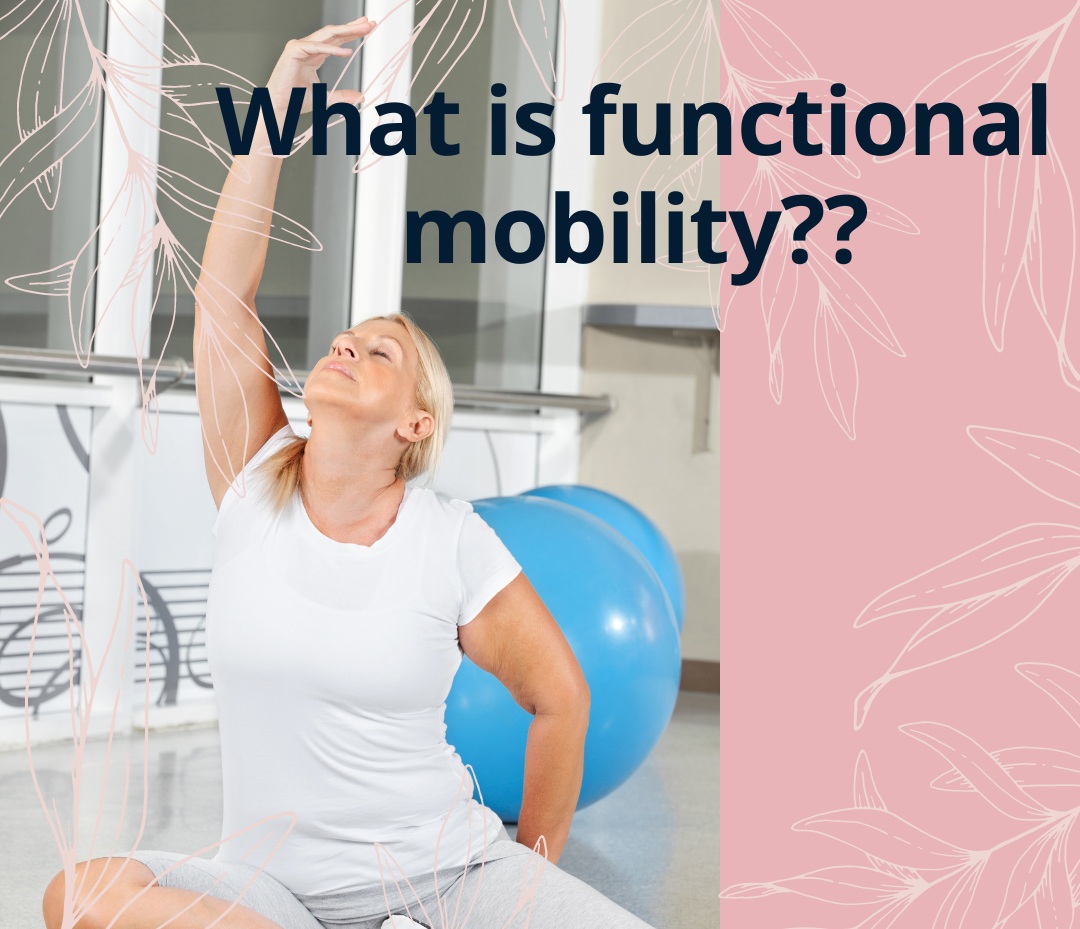
Functional Mobility - Gallagher Live Well Monthly Newsletter
Functional mobility is the ability to perform everyday activities, such as walking, climbing stairs, bending, reaching, and getting in and out of a chair or car. When you have high functional mobility, you can easily perform these tasks without straining or injuring your body. However, many adults experience challenges with mobility due to musculoskeletal (MSK) conditions like tendonitis, muscle weakness, or arthritis. Addressing functional mobility issues early can help you prevent further decline and minimize the impact on your day-to-day life.
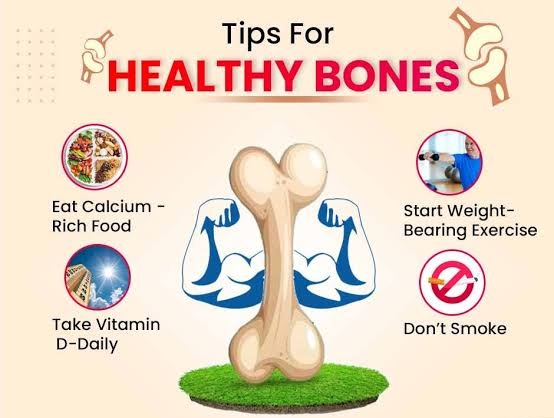
Tips to Support Bone Health - Gallagher Live Well Monthly Newsletter
Roughly 43 million American adults have low bone density, which significantly increases the risk of osteoporosis and bone fractures. Bone mass peaks around age 30 and then naturally declines with age. For women, bone loss accelerates during menopause, and men typically experience a more gradual bone loss beginning in their 50s.
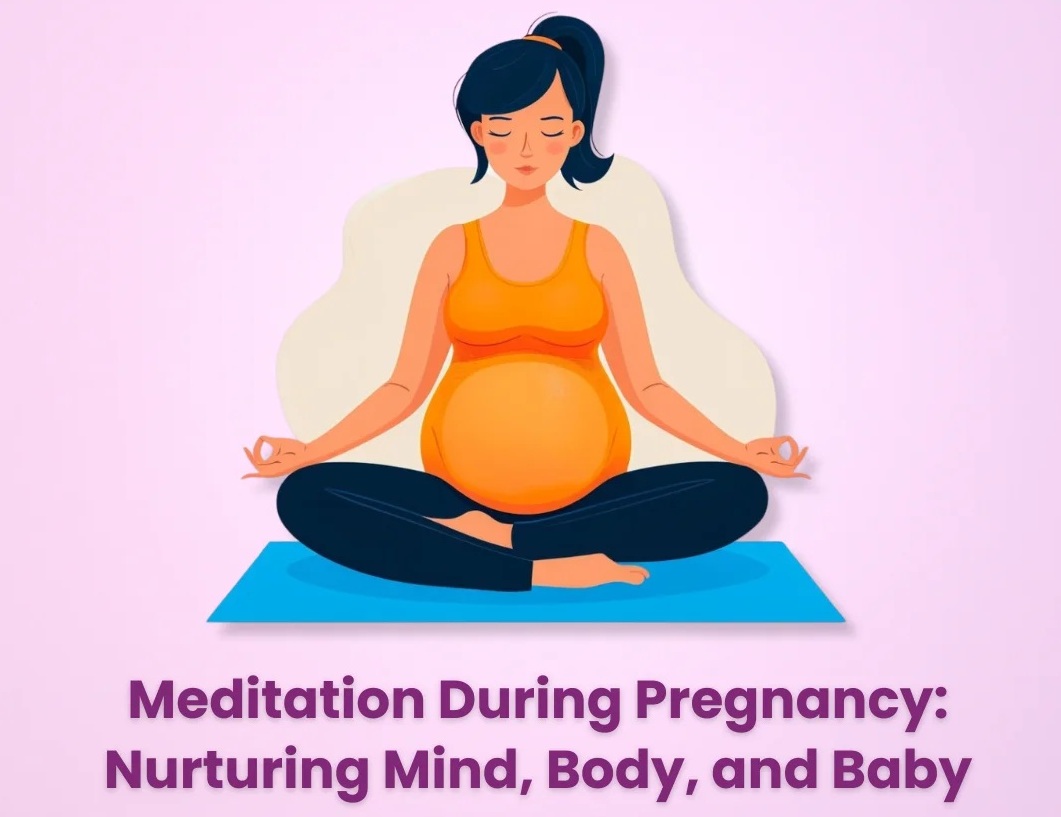
Mind and body; before and after baby
Pregnancy and the months after giving birth bring significant changes to your body, emotions, and daily life. While these changes are often exciting and joyful, they can also feel overwhelming at times. Caring for your own physical and mental health is an important part of the transition too.
FL Blue Center Flu & Vaccine Clinic
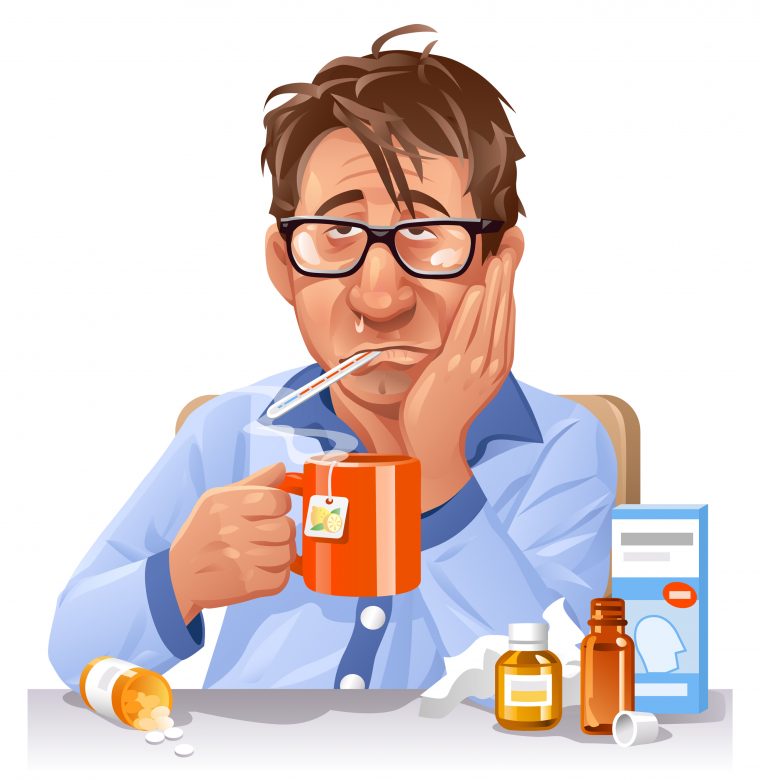
Flu season is here.
Make Your Workouts Work for you - Live Well Newsletter
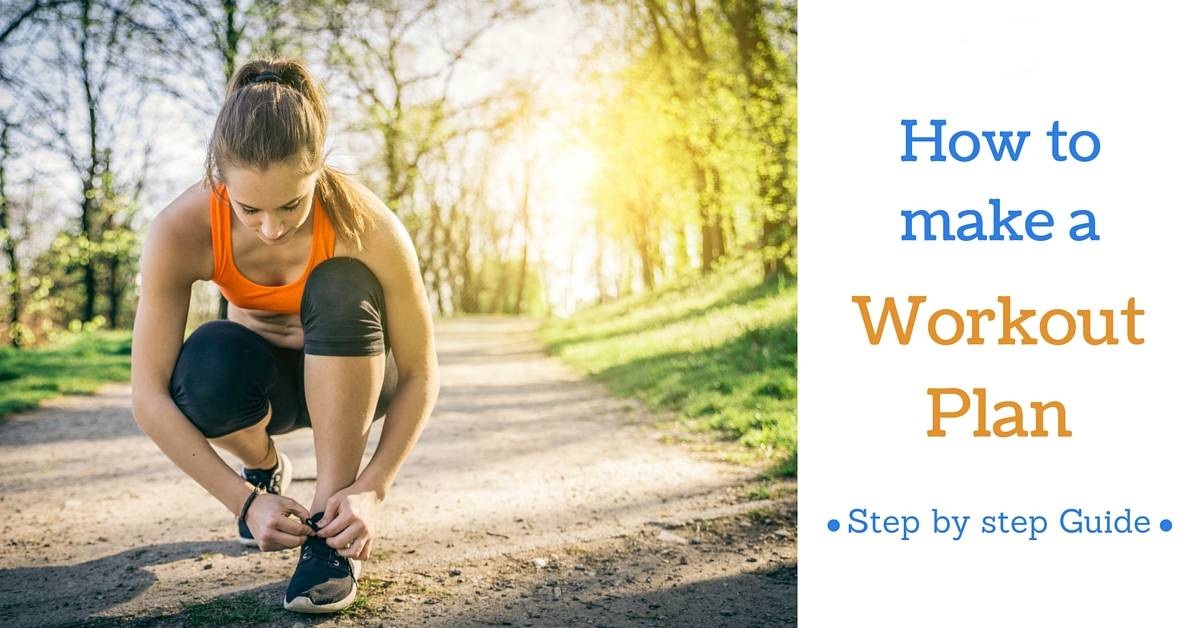
Time, duration, and frequency matter when it comes to fitness. Balancing these three components can significantly impact your fitness results. When mapping out a workout plan, it is important to first understand your fitness goals. Whether you enjoy starting your day with movement or ending your day with a stress-releasing workout, knowing the science behind workout timing can help you make the most of your efforts.
Exploring Workout Types - Live Well Newsletter
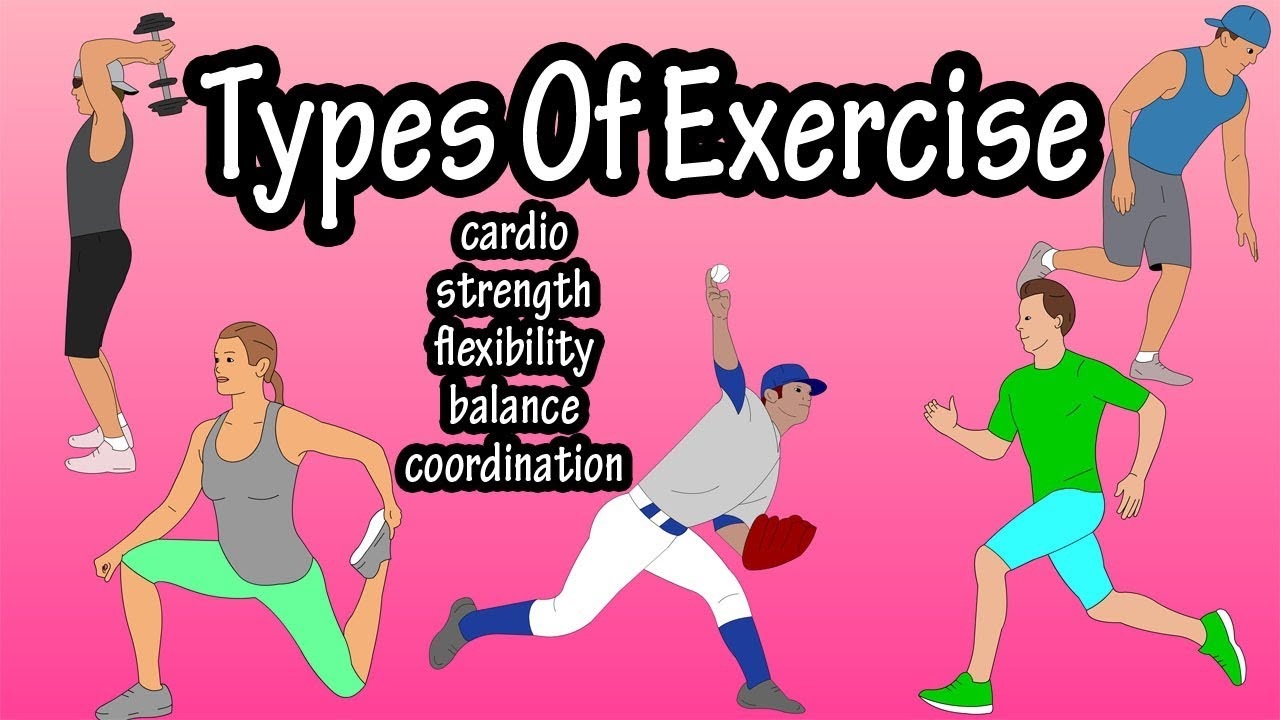
There are endless ways to move your body and improve your fitness. Understanding different types of exercises and workouts can help you choose the best ones for your lifestyle and goals.
Fit Tech Updates - Live Well Newsletter
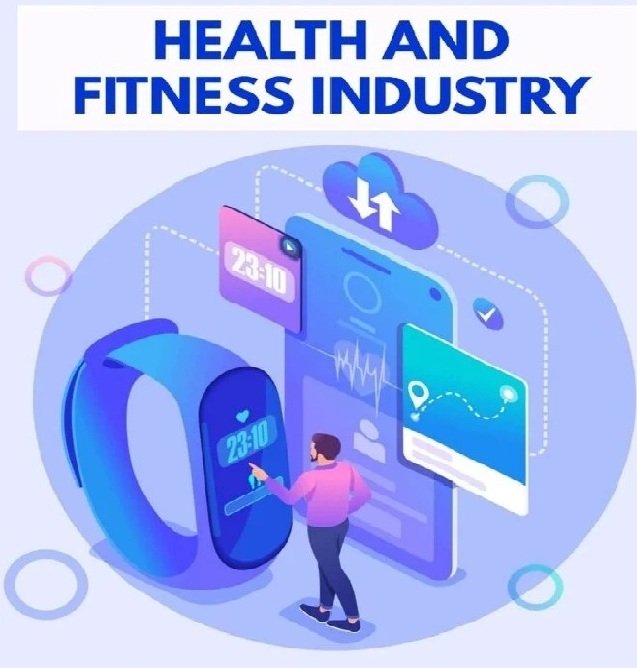
Fitness technology (fit tech) is changing the health and fitness industry, making it easier than ever to track your progress and maintain motivation to be active.

Stay Healthy this Flu Season-Better You Newsletter
Flu season is coming, and there are steps you can take to stay healthy! The flu can be tough on young children, older adults, and people with ongoing health conditions. The good news? You have real power to protect yourself and others.

Why your annual wellness exam matters- Better You newsletter
As the saying goes, do not judge a book by its cover. It is not always possible to know what is going on inside your body by what appears on the outside or even how you feel. Serious conditions like high blood pressure, diabetes, and early-stage cancers often develop silently without noticeable warning signs. This is why annual wellness exams with a primary care doctor are so important.