Fit Tech Updates - Live Well Newsletter
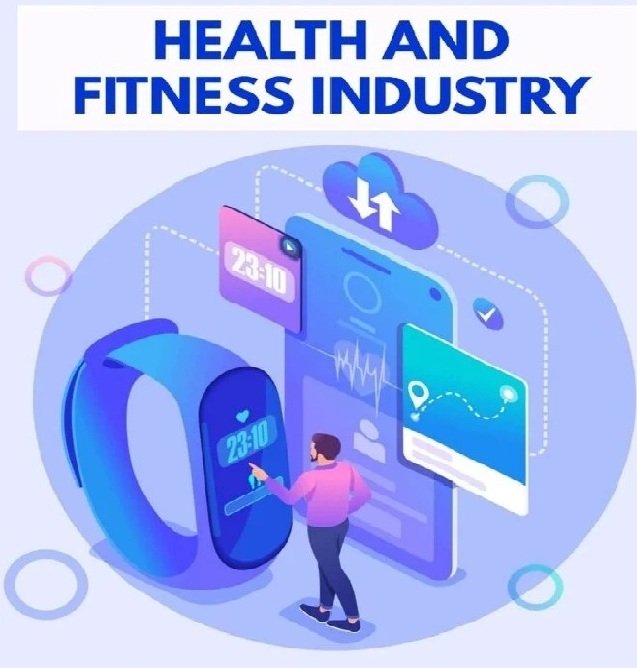
Fitness technology (fit tech) is changing the health and fitness industry, making it easier than ever to track your progress and maintain motivation to be active.
With new wearable devices and the integration of artificial intelligence (AI), technology offers personalized insights, real-time feedback, and tailored health guidance. Understanding the latest fitness technology can help you choose the right tools that align with your personal goals and daily life. It is important to remember that fit tech is not intended to replace medical advice or treatment, but it can help guide discussions with your healthcare provider.
Fitness Tools:
• Continuous Glucose Monitors (CGMs): Previously limited only to people with diabetes, CGMs are now available over the counter and provide real-time information on blood glucose levels. By understanding how your body responds to food, exercise, and stress, you can make better choices to optimize your metabolic health.
• Smart Watches and Fitness Trackers: Devices such as the Apple Watch, Fitbit, and Garmin watches can track your heart rate, steps, sleep patterns, and estimated calories burned. Many models also integrate GPS tracking and features that detect irregular heart rhythms.
• Unique Technologies: New devices like smart clothing embedded with sensors can monitor muscle activity, posture, and hydration levels during workouts. Virtual reality (VR) fitness combines entertainment with exercise, making workouts more engaging and fun.
• AI Personal Trainers: Newer apps use artificial intelligence to create customized workout plans, help you adjust intensity based on past performance, and provide virtual coaching. Some platforms can even analyze your movements through your smartphone camera.
Fitness Apps:
Apps are by far the most popular fit tech options. Many are free and can help with maintaining motivation and accountability to reach your fitness goals. Most apps offer a short-term trial or free version, but many also offer premium paid versions. Here are some of the most popular fitness apps:
Strava
• Popular among runners and cyclists
• Route tracking via GPS, performance analytics, and social sharing
• Hosts challenges to increase motivation
Fitbod
• Personalized strength training plans with detailed exercise instructions
• AI-driven adjustments based on your progress
Seven
• 7-minute, high-intensity bodyweight workouts
• Science-based routines
Centr by Chris Hemsworth
• Holistic wellness app with tailored workouts, meal plans, and mindfulness exercises based on your fitness level and goals
• Mix of HIIT, strength training, yoga, and meditation
Zwift
• Virtual cycling and running platform that combines gaming with fitness
• Interactive courses and multiplayer features
• Compatible with smart trainers and treadmills
Aaptiv
• Audio-based workouts led by certified trainers
• Wide range of classes including running, strength, yoga, and meditation
• Personalized training programs with progress tracking
The integration of AI across these technologies is making health data more accessible, personalized, and actionable. As technology continues to evolve, you can expect more advanced features like biometric sensors, enhanced AI coaching, and greater compatibility between devices. Fitness technology can help you better understand your body and make smarter decisions about your health.
Note: The above-referenced fitness technology tools and apps are not intended to be an endorsement of any specific product. Individuals should do their research and/or talk with their healthcare provider to determine which product(s) may be most appropriate.
Source: American College of Sports Medicine (ACSM). Fitness Trends. 2025. Accessed 9/24/25. https://acsm.org/education-resources/trending-topics-resources/acsm-fitness-trends/