Our Stories
Two Years. One Mission. Real Change at ACPS.
When I stepped into this role, ACPS was functioning, but we were surviving more than we were leading. Intake would close for extended periods. Animals were housed in the lobby. The Air Conditioners were down. The kennels were dirty. Systems were reactive. Staff were exhausted.
A little more than Two years later, this is a different organization.
Not because of one big idea. Definitley not because of me.
Because as a team, staff and volunteers, along with the support and backing of the City of Jacksonville, we started to rebuild the system from the ground up.
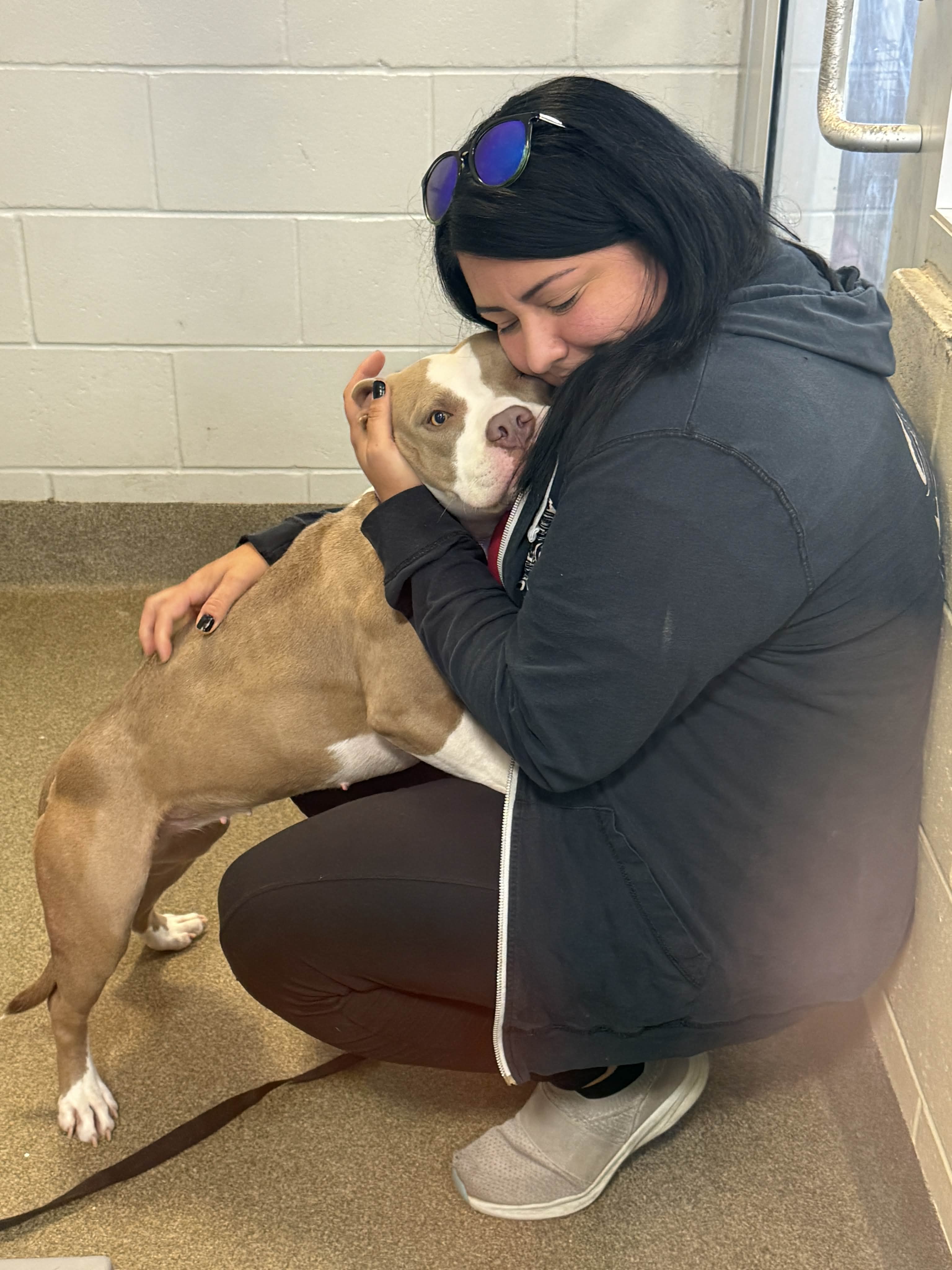
Field Services: Structure, Accountability, and Better Decisions
We started where public trust begins: in the field.
-
Added a dedicated dispatcher position to improve call flow and officer focus.
-
Built an internal call-prioritization system so emergencies move first.
-
Implemented required field checklists before impound.
-
Created a clearer warrant decision tree with supervisory review.
-
Instituted intake check-offs to eliminate missed steps.
-
Launched a medical intake board that significantly reduced impound time for dogs and cats.
-
Formalized after-hours procedures and secured an after-hours emergency veterinary partner.
-
Closed the inhumane night drop box so animals are no longer left outside overnight.
-
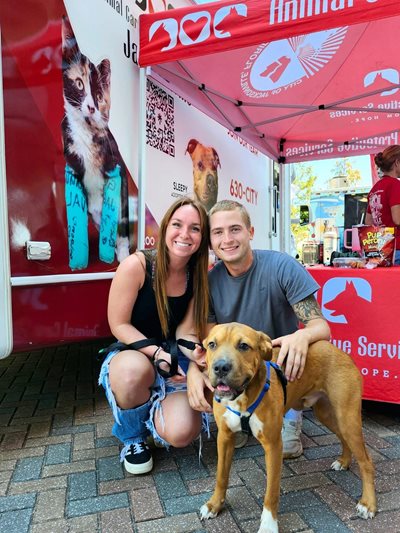
Wrapped most of our field vehicles and improved property signage, and our marketing plan to elevate professionalism and visibility.
We now complete approximately 32,000 calls for service annually. Field operations are more structured, defensible, and consistent.
Intake and Shelter Operations: From Backlog to Flow
There was a time when intake would close for weeks or even months due to capacity and internal strain. That no longer happens.
We are open seven days a week.
The Pet Resource Center, once open only three days a week with limited structure, now operates seven days a week on a scheduled model. This allows us to manage intake responsibly while focusing on prevention and community support.
We removed cats and dogs from living in the lobby. Animals were previously housed there, which increased stress, noise, and odor. That practice is gone.
Operational improvements include:
-
Decluttered hallways and reorganized internal space for efficiency.
-
Proactive building maintenance instead of crisis-based repairs.
-
Strengthened working relationships with City ITD and Building Services to accelerate projects.
-
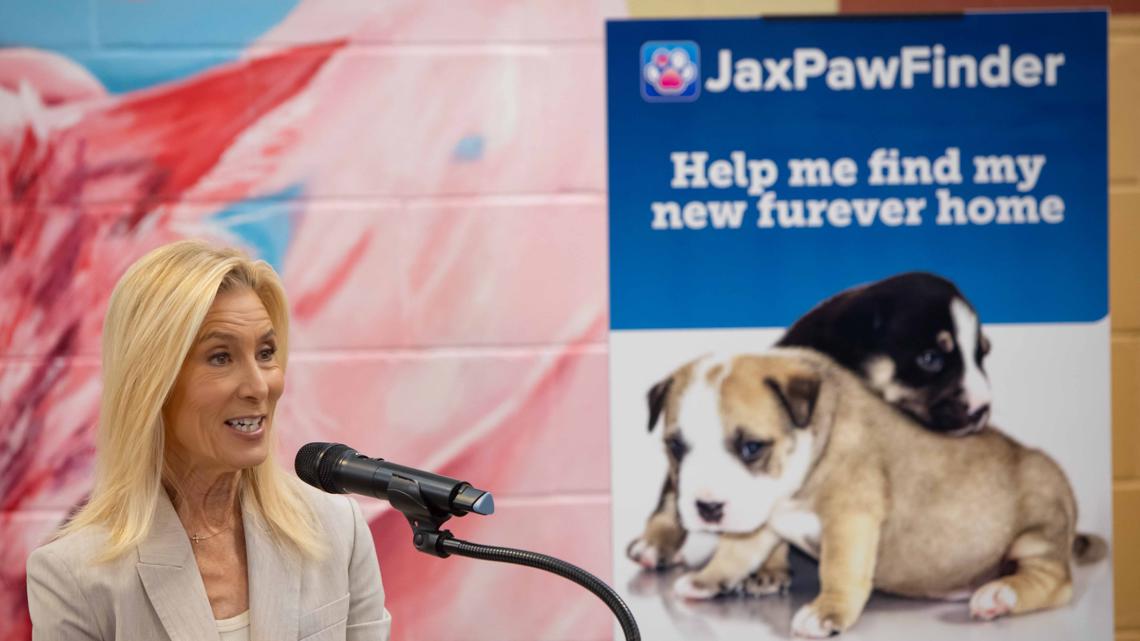
Partnered with ITD to develop a new adoption app. JaxPawFinder - Click to Download
-
Implemented Q-less to better manage lobby traffic and wait times.
-
Extended weekend hours.
Facility and program enhancements:
-
Added a dog park to bring the community onto campus.
-
Secured a grant to build a Cat Café, increasing cat adoptions.
-
Created a dedicated puppy room and puppy handling protocol.
-
Installed turf in adoption yards to eliminate mud and improve sanitation.
-
Updated uniforms to create a consistent, professional appearance.
-
Increased staffing by nearly 20 positions, including new leadership and support roles such as a Community Events Coordinator, a Humane Education Coordinator, Specialty Investigators, a Pet Resource Center Senior, Senior Veterinary Techs, Veterinary Assistants, A lead Veterinarian, an Assistant Supervisor of Animal Services, Animal Care and Enrichment Manager, Animal Program Managers, and more!
The building operates differently because the system operates differently.
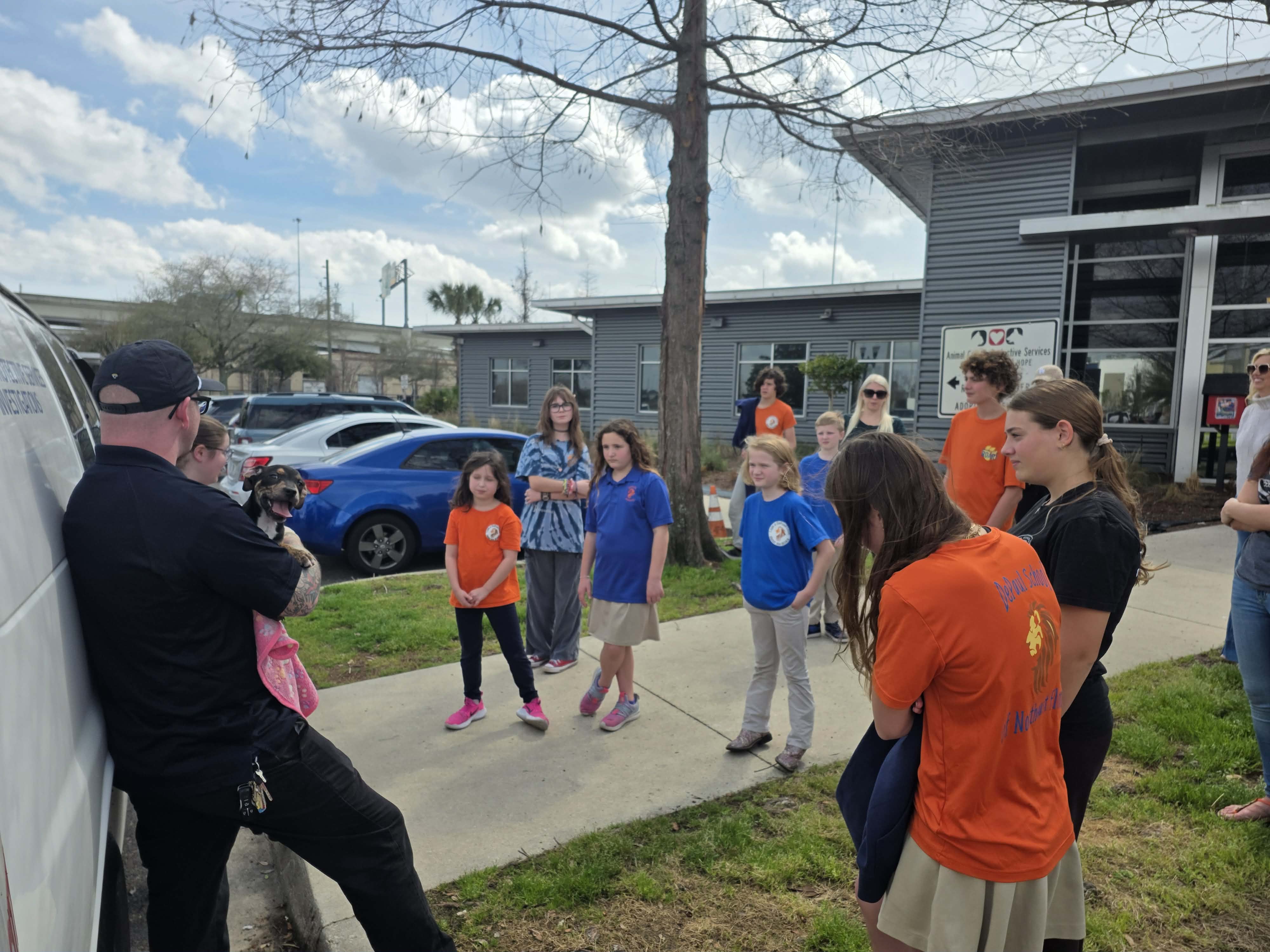
Culture, Staffing, and Professional Development
We rebuilt training and expectations.
-
Created structured dog-handling certification pathways for staff and volunteers.
-
Updated onboarding and training programs to build confidence and improve retention.
-
Renamed departments to better reflect mission alignment. Placement became Adoptions. Behavior became Enrichment.
-
Increased transparency with staff and volunteers.
-
Expanded volunteer roles and access to information.
-
Grew programs like Dogs Around Duval and launched Stroll Mates for corporate engagement and additonal outings for the dogs.
-
Implemented a Humane Education Program.
-
With the ARC of Jacksonville and Florida State College of Jacksonville we created and the Professional Animal Workers program.
Morale improved because clarity and accountability improved. Silos were reduced. Collaboration increased.
Behavior and Enrichment: Lower Stress, Better Outcomes
The most visible transformation is in the animals.
We implemented:
-
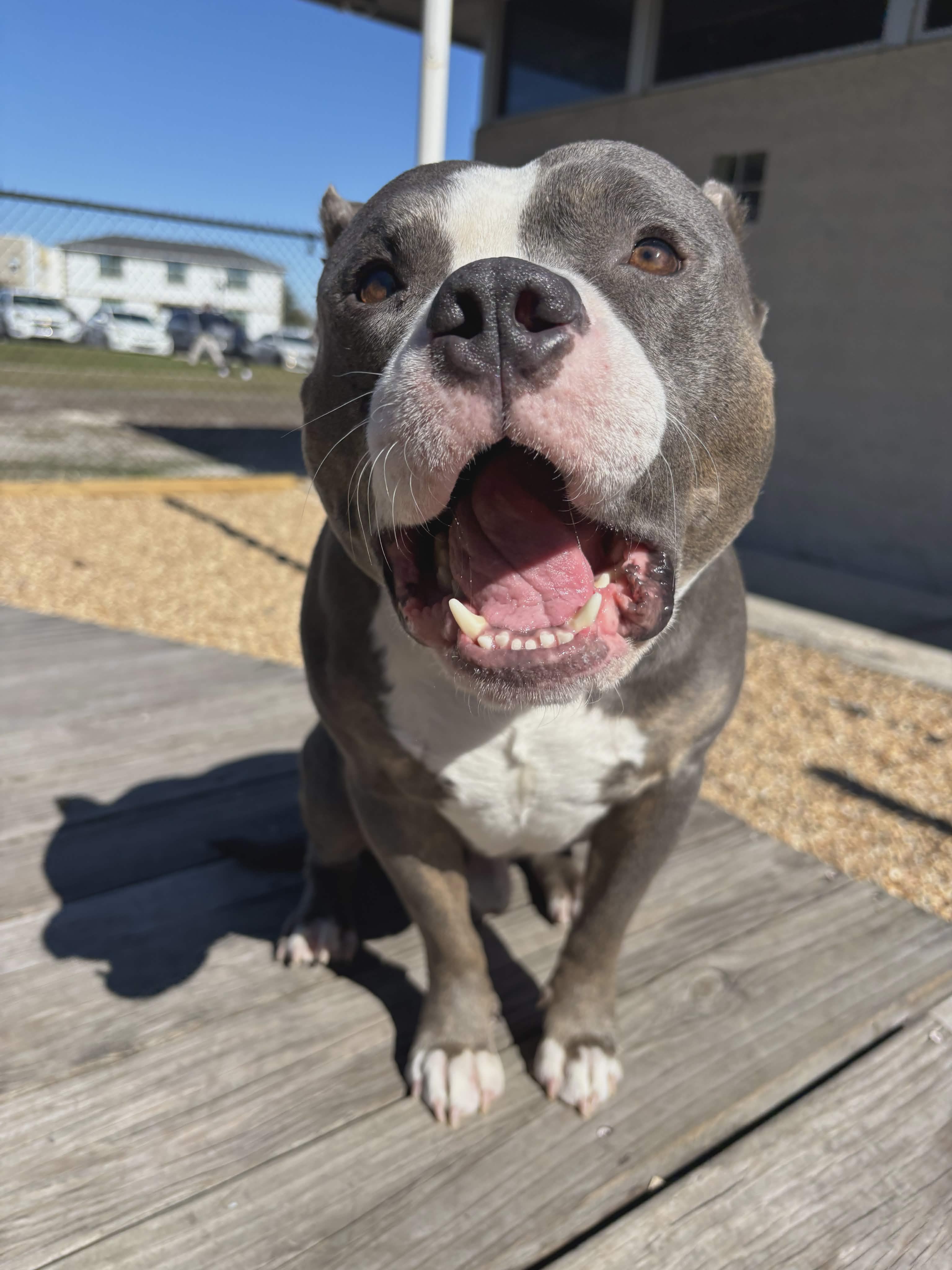
Progressive co-housing for compatible dogs, reducing length of stay.
-
Expanded playgroups with more dogs eligible and more sessions weekly.
-
A dot color handling system to match dogs with appropriately trained handlers, significantly decreasing bite incidents.
-
Drag lines for fearful dogs to increase safe handling.
-
Sectioned kennel areas to reduce barrier frustration and visual overstimulation.
-
Detailed behavior notes from officers and staff to better inform placement decisions.
-
Intake photos and written bios for every animal.
-
Naming every animal at intake. No more numbers.
We rebuilt euthanasia procedures around Fear Free principles. The room is calmer. The process is more humane.
We eliminated the previous delay of up to six weeks before dogs could move into primary adoption kennels. Animals are now assigned clear pathways at intake, and staff embers are dedicated to managing flow so animals do not stall in the system.
The difference is measurable. Dogs are calmer. Walking through the kennel at the end of the night is quiet. That was not the case before.
Data That Reflects the Shift
Operational change must show up in outcomes.
Recent performance highlights include:
-
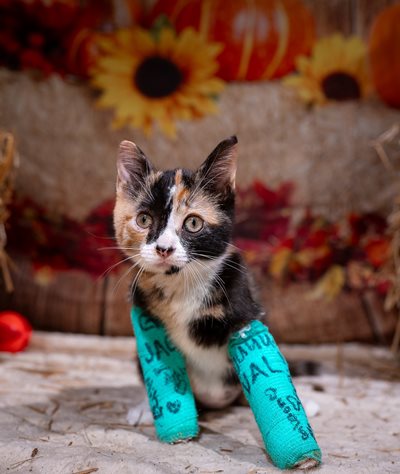
Approximately 87 percent overall save rate.
-
32,000 calls for service annually.
-
More than 1,300 specialty surgeries completed in a year, in addition to thousands of spay and neuter procedures.
-
Significant increases in volunteer hours year over year.
-
Increased adoption numbers for both dogs and cats.
-
Decreases in euthanasia for both species.
-
Improved return-to-owner outcomes supported by tools like Petco Love Lost.
We also ended the practice of closing intake for extended periods, ensuring consistent public access and system stability.
Community Engagement and Transparency
We shifted from restricted communication to strategic communication.
-
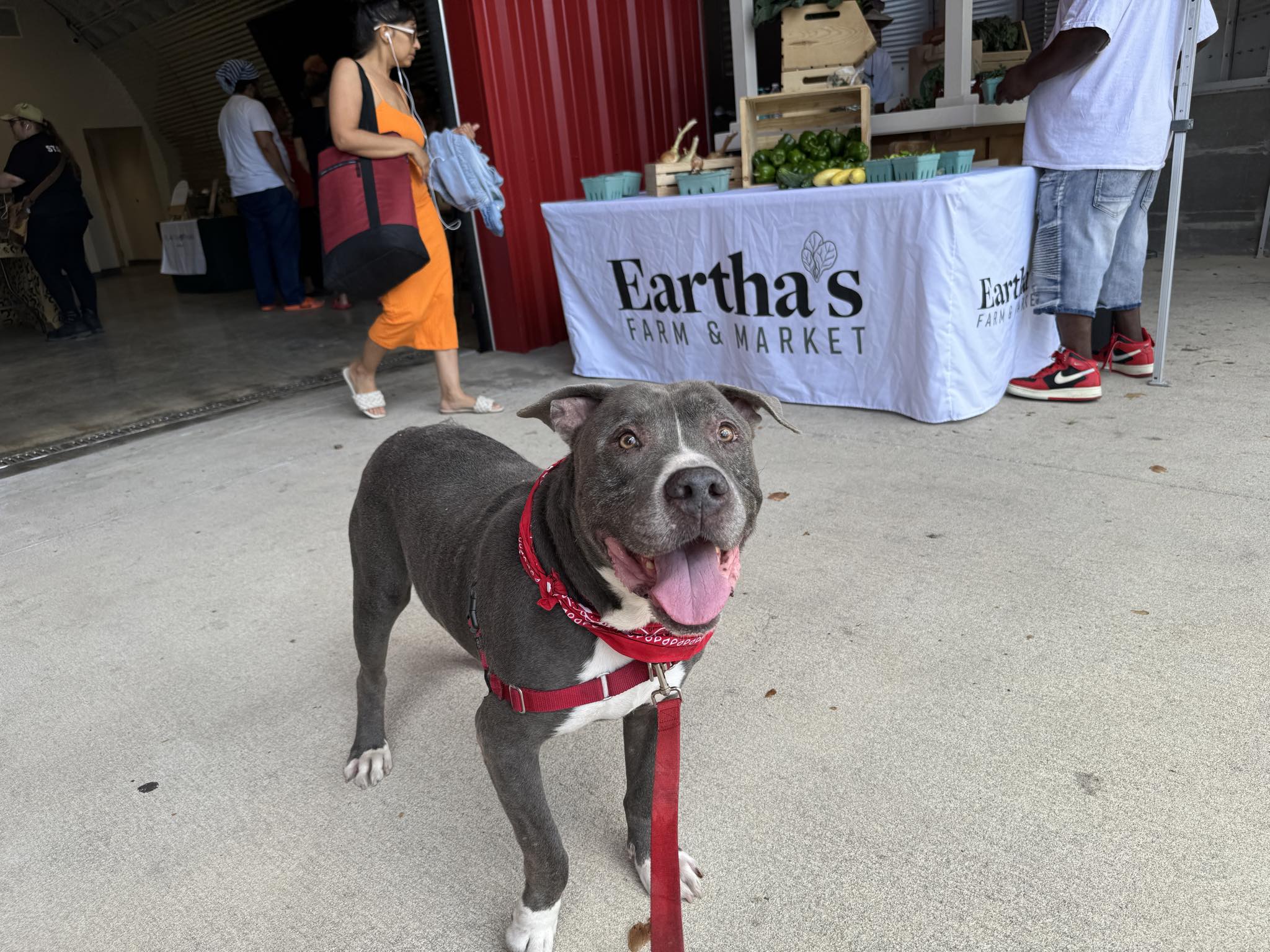
Expanded social media presence and storytelling.
-
Partnered with influencers to increase reach.
-
Improved intake photos and marketing.
-
Implemented Petco Love Lost to strengthen return-to-owner efforts.
-
Added Petszel for post-adoption support.
-
Increased transparency with staff, volunteers, and the public.
We are not hiding our work. We are showing it. Jacksonville.gov - Shelter Reporting
What It Means
Two years ago, the focus was survival.
Today, the focus is systems, culture, and outcomes.
We are open seven days a week.
We do not close intake.
We have structured field protocols.
We have progressive enrichment.
We have modernized software.
We have increased staffing.
We have calmer kennels.
We have stronger morale.
We have measurable results.
This is what happens when you stop reacting, start building, and never stray from hope.
.png.aspx?width=400&height=500 "Never-Stray-(3).png")